Therapeutic Therapy: Open Relaxation and Wellness Today
Massage therapy operates as a valuable resource for boosting calmness and holistic wellness. By manipulating soft tissues, it addresses muscular tightness and emotional stress. Different approaches cater to individual needs, offering potential benefits that transcend the session. However, many may wonder what to expect during their first experience or how to choose the appropriate method. Understanding these factors can significantly enhance the success of massage therapy in one's personal wellness practice.
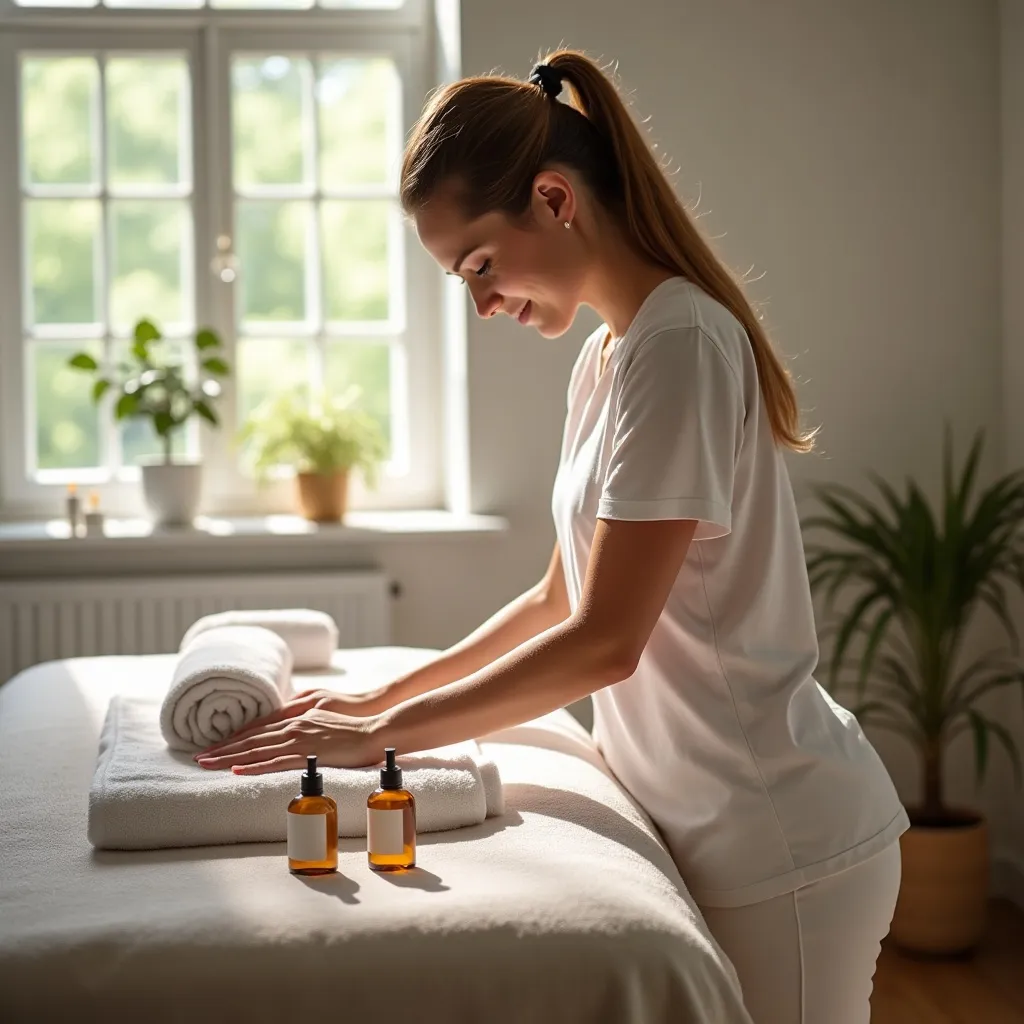
What Constitutes Massage Therapy and In What Way Does It Work?
Massage therapy is a hands-on practice that involves treating the body’s soft tissues to promote ease and healing. This therapeutic approach concentrates on the muscles, tendons, ligaments, and fascia, employing various strategies to alleviate tension and enhance overall well-being. By applying pressure and movement, massage therapy enhances circulation, supports flexibility, and decreases stress levels.
The biological effects of manual therapy can consist of improved blood flow, which aids in the delivery of oxygen and nutrients to tissues, while also facilitating the removal of metabolic waste products. Furthermore, massage can trigger the parasympathetic nervous system, promoting a state of calm and relaxation. This practice is never limited to physical benefits; it can also foster emotional release, adding to improved mental clarity and mood. Overall, massage therapy is a holistic approach that tackles both the physical and psychological aspects of health, thus improving one's quality of life.
Find Trending Massage Techniques
Massage therapy encompasses a spectrum of techniques, each delivering unique advantages. Swedish massage approaches focus on ease and circulation, while deep tissue massage targets persistent tension and discomfort reduction. The incorporation of aromatherapy can boost the complete session, fostering both bodily and mental health.
Swedish Treatment Practices
Swedish massage techniques are renowned for their ability to inspire ease and alleviate tightness in the body. Using long, flowing strokes, these methods aim to enhance flow and energize the lymphatic system. Key techniques include effleurage, or gliding movements, which warm up the muscles; petrissage, involving massaging and compressing to release tension; and compression, which targets specific areas to eliminate muscle knots. Striking, characterized by rhythmic tapping, revitalizes the body, while vibratory methods help unburden deeper tension. These approaches not only supply somatic comfort but also foster a sense of mental well-being. Overall, Swedish massage functions as a principal method in the area of massage practice, appealing to those seeking both relaxation and rejuvenation.
Profound Tissue Perks
While Swedish massage methods focus on relaxation and superficial tension relief, deep tissue therapy addresses deeper layers of muscle and connective tissue. This approach is particularly beneficial for individuals suffering from chronic pain, tension, or injury. By utilizing firm pressure and slow strokes, deep tissue massage can reduce muscle knots, improve circulation, and enhance flexibility. It is known to facilitate healing by breaking down adhesions that restrict movement and cause discomfort. Additionally, deep tissue therapy can help reduce stress and anxiety levels, as the release of physical tension often leads to emotional relief. Clients frequently report enhanced overall wellness and enhanced physical performance following deep tissue sessions, making it a valuable option for those seeking thorough therapeutic benefits.
Scent therapy Combining
The combination of aromatherapy improves the massage experience by blending the therapeutic benefits of essential oils with various massage techniques. This approach not only encourages relaxation but also addresses specific physical and emotional ailments. For instance, Swedish massage, characterized by long, flowing strokes, pairs well with lavender oil to reduce stress and improve sleep quality. Conversely, deep tissue massage, which focuses on deeper muscle layers, can be improved with peppermint oil to relieve tension and invigorate the senses. Additionally, aromatherapy can be customized to individual needs, allowing clients to choose oils that resonate with their personal wellness goals. Overall, this integration fosters a comprehensive approach, elevating both the physical and emotional benefits of massage therapy.
Perks of Ongoing Massage Sessions for Stress Relief
Regular massage therapy provides significant advantages for reducing stress, mainly through the decrease of muscle tension. By alleviating bodily pain, individuals often experience improved cognitive focus. This combination promotes a more relaxed condition, adding to general health and wellness.
Decreased Muscular Tension
Massage therapy effectively alleviates muscle tension, providing an crucial release for individuals dealing with stress. Regular sessions can promote relaxation in tight muscles, easing discomfort and boosting overall physical well-being. The techniques employed, such as kneading, stroking, and applying pressure, encourage improved blood circulation and oxygen flow to the targeted areas. As muscle tension diminishes, individuals often report a significant decrease in stress levels and an improved sense of calm. Additionally, reduced muscle tension can lead to improved flexibility and range of motion, enabling for a more active lifestyle. This therapy not only targets immediate discomfort but also aids long-term muscle health, promoting the body's natural ability to handle stressors successfully.
Improved Mental Clarity
Numerous analyses confirm that consistent massage therapy can greatly improve mental clarity, enabling individuals to achieve a sharper focus and enhanced cognitive function. This benefit is due to the reduction of stress-related substances and the facilitation of relaxation, which together create a supportive setting for mental processing. Regular massage promotes increased blood flow, delivering additional oxygen and nutrients to the brain, thereby boosting overall cognitive performance. Moreover, the relaxation and tension release associated with massage help individuals feel more grounded and less distracted, paving the way for improved decision-making and problem-solving capabilities. Consequently, individuals frequently report a rise in creativity and productivity in both their personal and work environments. Including regular massage therapy in one’s routine can thus act as a powerful means for enhancing mental health and well-being.
What Transpires During Your Initial Massage Experience?
When someone goes through their first massage, a blend of anticipation and nervousness often accompanies them. Upon entering, they are typically greeted by a soothing atmosphere, created to promote calmness. The practitioner usually starts with a brief discussion to talk about any specific areas of concern and tastes concerning pressure and technique.
Following the consultation is finished, the individual is guided to a exclusive room where they can shed their clothing to their preference level, often beneath a sheet. The therapist then employs various procedures, such as working or motioning, to pinpoint strain and advance relaxation. Throughout the session, conversation is encouraged to assure the encounter meets the individual's interests.
As the massage unfolds, the person may feel a range of sensations, from comfort to deep relaxation. By the conclusion, they often experience a feeling of peace, greater bodily consciousness, and a desire to incorporate bodywork into their wellness routine.
Finding the Right Body work for Your Needs
Upon having their first treatment, many individuals may ponder how to determine the most suitable type for their particular needs. Diverse massage styles exist, each designed to address assorted concerns. For calmness, Swedish massage offers gentle strokes that foster overall well-being. Those with chronic pain or muscular tension may derive benefit from deep tissue massage, which emphasizes deeper layers of muscle and connective tissue.
Additionally, sports massage is custom-built for athletes, designed to enhance output and recovery. For those coping with stress or anxiety, aromatherapy massage employs essential oils to foster emotional balance. It is essential to consider personal preferences and any special physical conditions before making a decision. Consulting with a licensed massage therapist can deliver valuable insights, guaranteeing the selected massage suits individual goals, whether it's relaxation, pain relief, or better mobility. Understanding these options empowers individuals to make informed decisions, improving their overall massage experience.
Household Methods to Boost Your Massage Impacts
Many people seeking to improve their therapeutic session can benefit from adding simple home methods. Preparing a calming environment is critical; dimming lights and putting on soft music can create a tranquil atmosphere. Additionally, applying essential oils, such as lavender or eucalyptus, can amplify relaxation and provide therapeutic benefits.
Performing breath work techniques before and during a massage can alleviate tension and promote a profound bond with the body. Stretching gently in advance also supports muscle relaxation, making the massage more successful. Hydration plays a vital role; drinking water after the massage purges toxins and maintain muscle elasticity.
Ultimately, preserving a consistent self-care practice, including regular massages and at-home techniques, can considerably elevate overall vitality. By deploying these approaches, parties can optimize the benefits of their massage therapy, leading to a more profound sense of relaxation and revitalization.
Frequently Asked Questions Concerning Massage Therapy?
What inquiries do people commonly inquire about therapeutic massage? Many individuals ask about its advantages, often wondering how it can alleviate stress, decrease pain, and enhance overall well-being. Others question about the different kinds of massage, such as Swedish, deep tissue, and sports massage, and which might be most appropriate for their needs.
Safety constitutes another issue; people constantly ask whether massage therapy is suitable for specific health conditions or if it carries any risks. Additionally, prospective clients often inquire about the qualifications and training of massage therapists, seeking reassurance of professionalism and expertise.
Finally, expense and duration of sessions are typical inquiries. Clients want to comprehend the typical price range and how long a session should continue for optimal effectiveness. Addressing these questions helps clarify the practice and motivates individuals to explore the numerous benefits of massage therapy.
Regular Queries Asked
Is Massage Therapy Secure for Expecting Women?
Massage therapy may be secure for expectant mothers when administered by a qualified therapist familiar with pregnancy-specific methods. However, it's essential to consult a medical professional before beginning treatment to guarantee personal wellbeing and ease.
Can Massage Treatment Reduce Chronic Pain?
Massage therapy can reduce chronic pain by encouraging calm, increasing blood circulation, and reducing muscle tension. Various techniques may provide relief, but individual responses vary, so consulting a healthcare professional is advisable for tailored treatment.
How Often Should I Obtain a Massage?
Health professionals suggest getting a massage every one to four weeks, depending on individual needs and conditions. Regular treatments can aid sustaining psychological and physical health, enhancing peace of mind and potentially alleviating chronic pain over time.
What Attire Must I Select During a Massage Session?
Clients commonly dress in loose, comfortable clothing during a massage session or may prefer to undress, depending on personal preference and the type of massage. Therapists use draping to provide privacy and explore article contentment throughout the entire session.
Are Age Limits Required for Massage Therapy?
Age requirements for therapeutic massage differ by location and establishment. Typically, minors may require parental consent, while older individuals typically have no limitations. Be sure to consult specific massage therapy providers for their specific guidelines regarding age.
Comments on “Experience Quality Care with Knot Therapy Massage LLC”